I watched a video by Hank Green a few days ago – He’s always been in the periphery of my internet content diet because of the creators I tend to watch, but I can’t remember the last time I fully watched something he made. It might have been a tiktok where he was commentating a simulation of an army of whales fighting an army of ostriches. But the video I watched recently was from a series of vlogs which I think are call and response journal entries with his brother. They seem to be general musings on topics in the zeitgeist, but with an intellectual/philosophic slant. It was validating to see because it was exactly the kind of thing I want to do with this blog, and I hadn’t really seen a successful market niche for it before. I’m still unsure if you could build an audience with just or primarily content like that now. Hank has earned his audience’s interest through many years of work on many different successful projects, and I’m sure the following he has is happy and interested to hear him opine on just about anything – deservedly so, he struck me as a well spoken and engaging educator.
Either way, that video inspired me to record this essay, even though it’s scary. The people I watch regularly have a natural charisma and a decade plus in front of the camera, and it’s hard for me to let go of that comparison. But there was something especially compelling about seeing Hank’s face and hearing the words come from him, that made me want to take the plunge. And so if you’re willing, I invite you to walk with me through a novice’s attempt at a…mini lecture, I’ll call it. The term video seems to be going through a bit of an identity crisis, on YouTube at least.
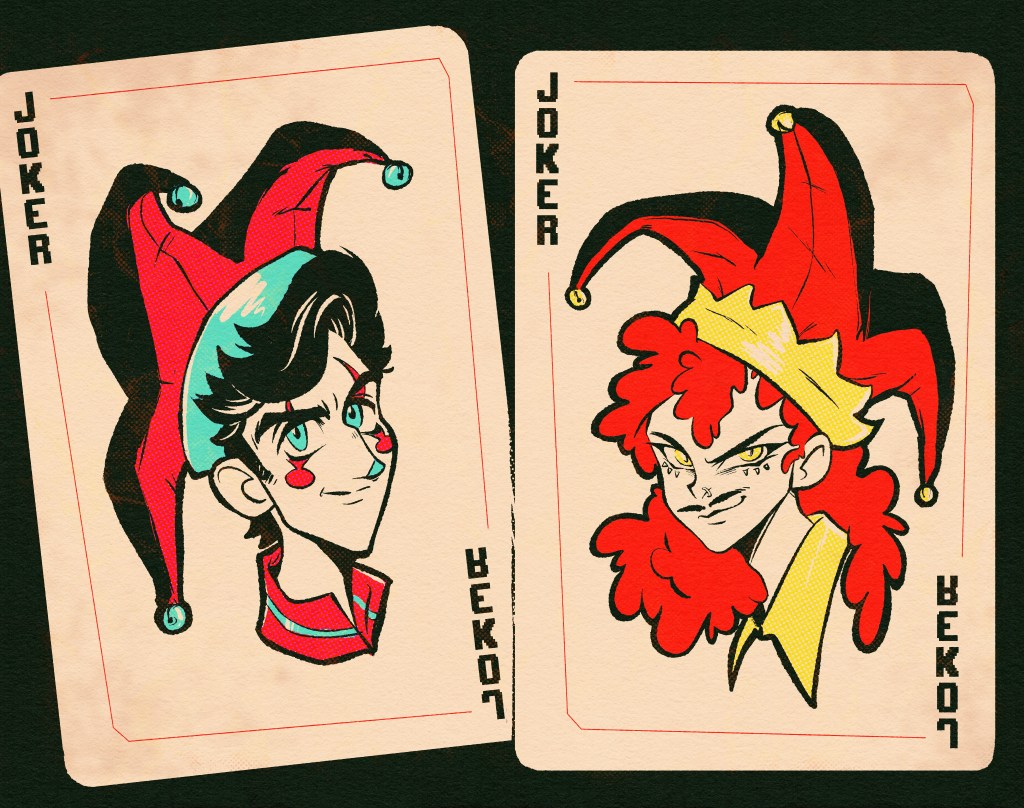
I first want to bring to mind the image of a jester – he is the man on the inside, the double agent. His humor and self deprecation is disarming, and through it he can slip self awareness past the ego of his target. Satire is the successor of that tradition, and as I’ve been revisiting all my favorite comedians from my childhood, like the smothers brothers, and stan freberg, I’ve realized that it’s an art form we need now more than ever before.
Algorithmic curation is an insidious form of censorship. Imagine 5 years ago, looking for an old obscure TV show you had only scraps of memory from – somehow, with a few key words, you would very likely find it. That is the power of aggregate content – it takes just one person in the world who thought to archive the media, and a search engine that intuits what you were looking for based on the collective search history of all its users. When designed with utility in mind, it’s one of the most powerful tools of media preservation and public access. Now try to do the same thing today. I’m sometimes still able to find what I’m looking for, but I have to really fight with it – and that’s when I’m directly looking for a specific video. When I’m just searching a topic, or an idea, I’m letting Google decide what I should see. That has always been true, but Google has become more and more mask off in saying, “I know what you want to see more than you do.” Slowly, millions of videos are becoming effectively lost media, settling to the bottom of this huge ocean of content – in a way that exactly benefits Google, and the powers that be above them pulling the strings.
Part of the solution will be cultivating alternative platforms, but we do need to reckon with the unfathomable scale Youtube operates on today. Even 10 or 12 years ago I had thought that Youtube should become a public service in some way, because the monopoly it has on digital media is absurd. The convenience Google provided with the double whammy of a market leading search engine and video sharing platform has had us little unassuming frogs enjoying the hot tub, not realising it was a pot on the stove.
This, to me, is where satire comes in. We can’t beat them at their own game – not yet, at least. But we may find ways to be double agents. Comedy is the bread and butter of these social media platforms, and when satire is done right, it is both stealthy and piercing. I’m not just talking about overt political messages, it can be simply fighting the more toxic parts of our culture that have taken root, like the regression into overt intolerance and tribalism. Bo Burnham was self flagellating somewhat in his song Comedy from Inside, but I think we need smart, introspective, well meaning satirists more than ever. Making people like Bo disillusioned is ideal for those seeking complete social control. They know too well the power of a jester in front of an unsuspecting audience – “You can tell them anything if you just make it funny, make it right – and if they still don’t understand you then you run it one more time.”
 >>robyns_ramblings